About Cube Mould
| Parameter |
Specification |
| Application |
Commercial |
| Material |
Metal |
| Minimum Order Quantity |
1 |
| Usage |
Construction |
| Made In |
India |
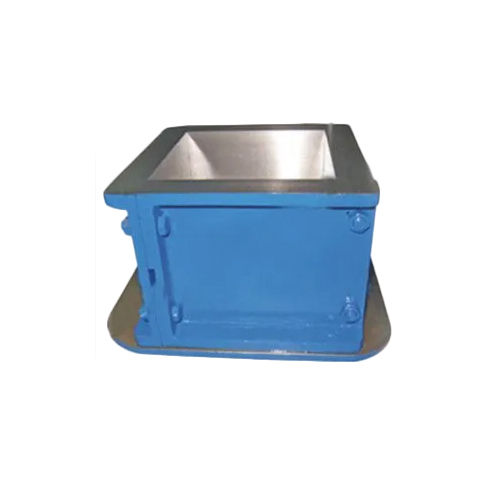
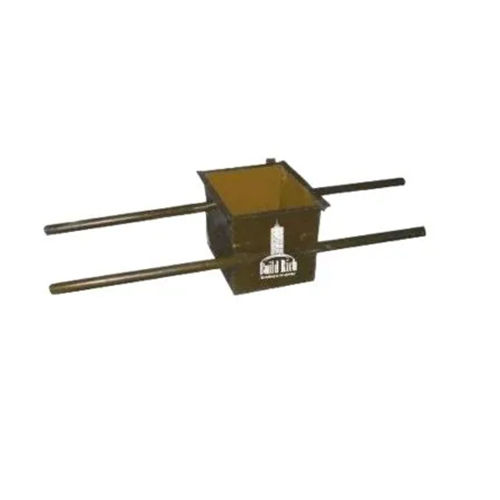
A Cube Mould is a device used in construction for forming concrete test specimens. They are usually made of steel or plastic and come in various sizes, with the most common size being 150 millimeters on each side. The results of cube tests help engineers and contractors ensure that the concrete used in their projects meets the required standards and specifications. Apart from this, the Cube Mould is an essential tool for quality control and quality assurance in construction projects, as it provides valuable information about the strength and durability of concrete mixes.
Versatile Design and ApplicationsThis cube mould accommodates a range of testing scenarios in the construction industry. Its size options and optional gang compartments permit flexibility for varied sample requirements. Its compliance with international testing standards makes it a preferred choice across diverse project specifications.
Precision and Durability Built-InManufactured from cast iron or steel, the mould features a smooth inner surface to guarantee accurate concrete cube formation. The thick, weighty base plate, high temperature resistance, and heavy-duty removable sides ensure longevity even during frequent, rigorous usage in both laboratory and outdoor conditions.
Convenient Handling and ReusabilityFitted handles and a stable base plate allow for effortless handling and transport. The modular assembly-bolted, clamped, or fitted joint-enables quick setup and cleaning. The mould is engineered for multiple test cycles, offering cost-effective reliability and ease of maintenance.
FAQ's of Cube Mould:
Q: How is the 150 mm cube mould typically used in concrete testing?
A: The 150 mm cube mould is employed to prepare standard concrete test cubes, which are subsequently cured and subjected to compressive strength tests. This process helps determine the quality and durability of concrete mixes in compliance with construction standards.
Q: What advantage does the smooth inner surface provide during the moulding process?
A: A smooth inner surface ensures accurate cube formation by facilitating easy demoulding and preventing irregularities, which is crucial for obtaining reliable and consistent test results.
Q: When should different compartment options (single, two-gang, three-gang) be considered?
A: Multiple compartments allow for simultaneous casting of more than one cube, saving time during batch testing. Choose single for individual tests or multi-gang configurations for increased efficiency in larger testing operations.
Q: Where can this cube mould be used?
A: The cube mould is suitable for both laboratory and field use, making it ideal for on-site quality control or established testing facilities. Its robust design holds up under variable conditions in both environments.
Q: What makes this cube mould reusable for multiple test cycles?
A: Constructed from heavy-duty materials and featuring removable sides, the mould withstands repeated assembly, demoulding, and cleaning. Its durable finish resists wear, enabling reliable performance over numerous cycles.
Q: How does compliance with IS 10086, ASTM C109, and BS 1881 benefit users?
A: Adherence to these international standards ensures that test results are consistent, credible, and recognized globally, supporting project acceptance and regulatory compliance.
Q: What are the benefits of having fitted handles and a heavy base plate?
A: Fitted handles facilitate safer, easier lifting and transport, while the thick base plate enhances stability during mould filling and handling, reducing the risk of spillage or movement.





 Send Inquiry


 Send Inquiry


 Send Inquiry
 Send Inquiry
 Send SMS
 Call Me Free


